

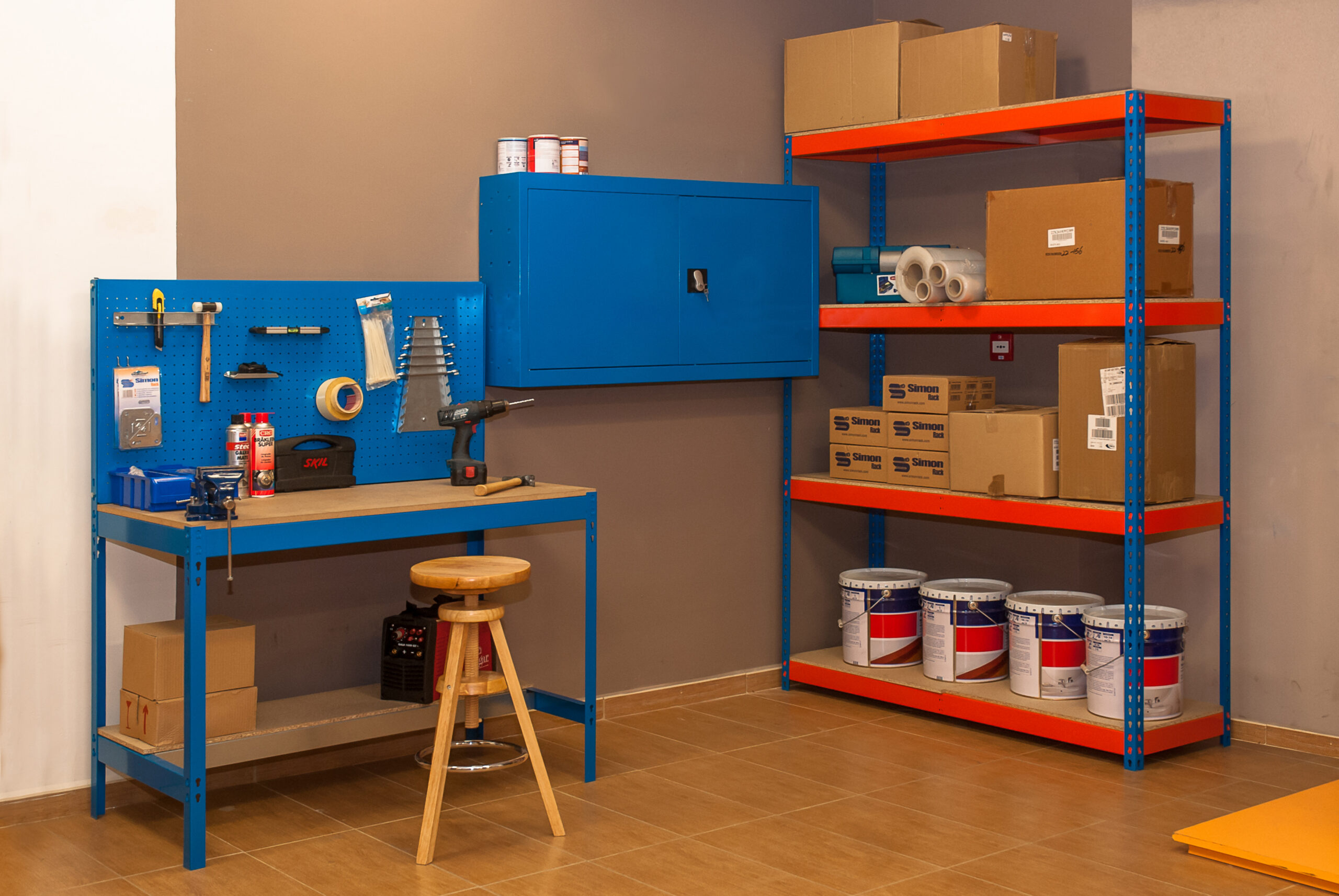
Having a storage unit doesn't guarantee order. In fact, it's quite common for it to end up as a space where boxes, tools, out-of-season decorations, souvenirs, or small pieces of furniture accumulate without any clear purpose. The problem is that when this happens, the storage unit ceases to be useful: it's hard to find what you need, much of the available height is wasted, and the risk of bumps, falls, or damage to stored items increases.
If you're wondering How to organize a storage room to make the most of the space, The key is to stop thinking only about "storing things" and start designing it as a functional storage area. This involves classifying, planning the use of vertical space, and relying on sturdy solutions that allow for safe organization. At this point, having good [something - likely a good storage solution] is essential. metal shelving for storage room It makes a big difference, especially if you're going to store heavy items, bulky boxes, or frequently used materials.
In this guide we explain step by step how to organize a storage room in a practical and lasting way, and why SimonRack storage solutions can help you gain space without sacrificing security.
Why do most storage units become full before their time?
A storage room usually gets messy for three main reasons:
- Objects are stored without prior classification.
- Boxes are stacked on top of each other without any system.
- The height is not being utilized with suitable shelving.
The result is an inefficient space where accessing anything requires moving three other items first. Furthermore, when heavy objects or numerous boxes are stored on unstable shelves, the problem extends beyond mere convenience to become a safety issue as well.
Therefore, organizing a storage room well is not just about "putting more things in," but about creating a stable, accessible and easy-to-maintain system over time.
How to organize a storage room: start by emptying, checking and deciding?
Before installing shelves or buying boxes, it's a good idea to start from scratch. This first step prevents you from organizing unnecessary items and helps you define how much space you really need.
1. Empty the storage room completely
Take everything outside, or if that's not possible, divide it into sections. Seeing the actual volume of what's stored will allow you to detect duplicates, broken items, or things you haven't used in years.
2. Classify by categories
Group the content into clear blocks, for example:
- Tools and DIY
- Seasonal decoration
- Clothes from another season
- Sports equipment
- File or documentation
- Cleaning products
- Sentimental objects
This classification will be the basis for deciding what should be kept more easily accessible and what can be moved to higher or less accessible areas.
3. Eliminate what does not add value
Not everything deserves to go back to storage. Donate, recycle, or get rid of anything you don't use, that's broken, or that doesn't have a clear purpose. Every unnecessary item you get rid of frees up useful space for what you do need to keep.
Take advantage of vertical space to gain square footage without expanding the storage room
When someone searches how to organize a storage room Actually, the answer is almost always to look up. Most wasted space is found in the walls and ceiling height.
Install shelving instead of stacking boxes on the floor
Storing everything on the floor creates chaos, makes cleaning difficult, and complicates access. In contrast, good shelving allows you to:
- Increase storage capacity
- Distribute the weight more evenly
- Have each category located
- Improved access to each box or item
- Maintain more comfortable and safe passageways
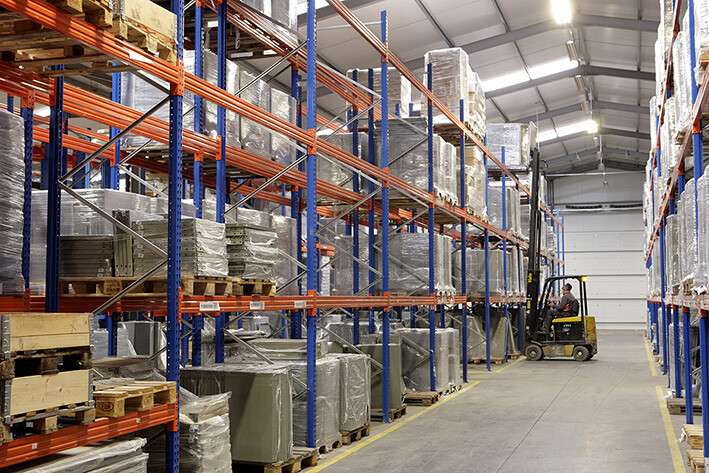
For a domestic or communal storage room, the ideal option is to choose boltless metal shelving: resistant, modular and designed to safely withstand real loads.
What type of layout works best in a storage room?
Once you decide to use shelving, it's a good idea to organize the space logically.
Lower zone: the heaviest
Place the bulkiest or heaviest objects at the bottom:
- Toolboxes
- Bottles or cleaning products
- Small household appliances
- DIY materials
This improves the stability of the assembly and reduces risks when handling the load.
Mid-zone: what you use most often
Reserve the middle section of the shelves for items you consult several times a month. It's the easiest area to reach without bending down or using a ladder.
Here you can place:
- Items for nearby seasonal use
- School or office supplies
- Common spare parts
- Sports accessories
Upper zone: the occasional
At the top, leave things you rarely use, such as Christmas decorations, souvenirs, old file boxes, or spare parts.
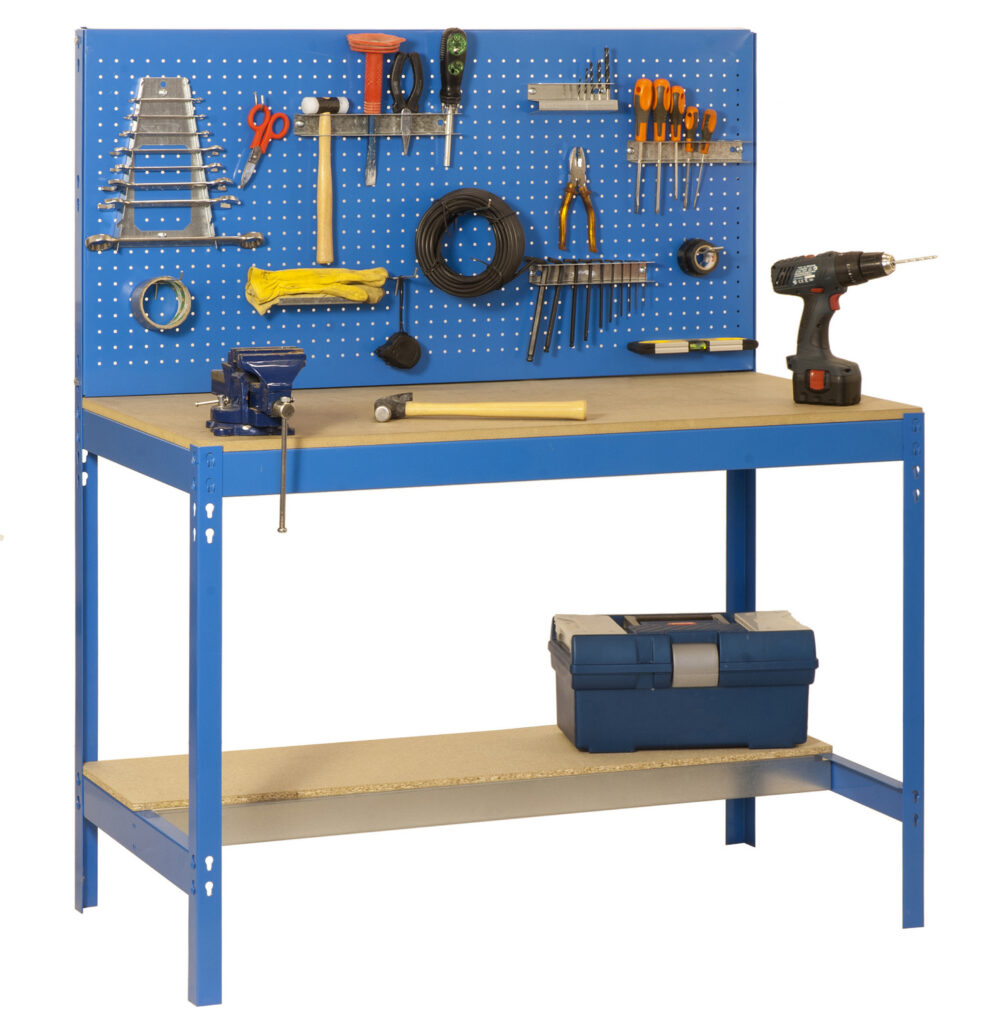
How to organize a small storage room without overwhelming the space?
In small storage units, every decision counts. These recommendations are very helpful:
Use boxes of the same size
Homogeneous boxes allow for better stacking and alignment. They also create a visual sense of order and make it easier to estimate space.
Tag everything
Don't underestimate the power of a clear label. Indicate the category or main contents of each box so you don't have to open several to find what you're looking for.
Leave a small access corridor
Even if space is limited, try to maintain a minimum walkway area. A storage room packed from side to side might seem more efficient, but in reality, it forces you to dismantle half the system every time you're looking for something.
Take advantage of corners and side walls
Modular storage solutions and custom shelving They allow for better adaptation of the available space, especially in storage rooms with columns, irregular ceilings, or narrow depths.
SimonRack products that help organize a storage room more efficiently
If the goal is to combine order, strength and space optimization, it's best to opt for metal shelving designed to last.
In a storage room, SimonRack products can add value for several reasons:
- They allow you to take advantage of the available height with a stable structure.
- They help to organize storage by category.
- They offer a robust solution for domestic or semi-professional loads.
- They convey greater security compared to flimsy shelves or makeshift furniture.
- They fit well in private storage rooms, garages, storage rooms, or auxiliary areas of the home.
Furthermore, when organization relies on a solid system, maintaining it over time becomes much easier. It's not just about making the storage room look nice on day one, but about ensuring it remains functional six months from now.
Common mistakes when organizing a storage room
Keep everything "just in case"“
One of the most common mistakes is turning the storage room into a junk drawer. If everything goes in there, sooner or later the space will become unusable.
Don't think about the weight
Not all shelves or furniture are designed to withstand heavy loads. If you plan to store heavy items in your storage unit, choosing sturdy solutions like medium-duty metal shelving is essential to avoid problems in the long run.
Leave no room to grow
A well-organized storage unit shouldn't be 100% full from day one. Leaving some space will allow you to add new things without disrupting the overall order.
Mixing categories without criteria
If tools, decorations, papers, and clothes are all on the same shelf, it will be much harder to maintain the system. Ideally, each area should have a specific function.
Conclusion
Know How to organize a storage room to make the most of the space It's not just about adding more boxes, but about creating a convenient, logical, and secure storage system. The combination of pre-cleaning, categorizing, utilizing vertical space, and choosing sturdy shelving is what truly transforms a storage room.
If you also want a long-lasting result, it's worth investing in reliable storage solutions like those from SimonRack, especially when you need to support weight with real safety guarantees. A well-organized storage room saves you time, reduces stress, and transforms an underutilized space into a practical area for everyday life.


 Español
 Deutsch
 Français
 Italiano
 English (UK)

