The best shelves
since 1964

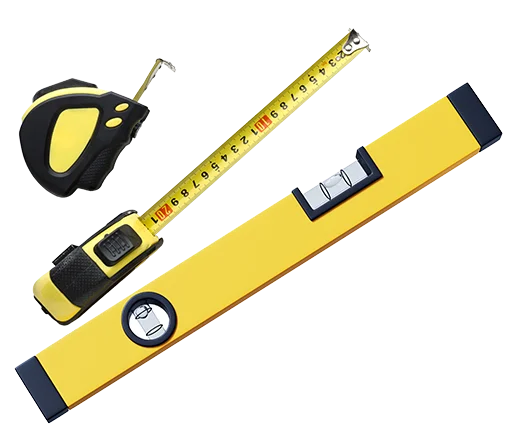
Measuring tape and level for custom shelving

Custom shelving

SimonRack shelving configurator

Design your metal shelving unit in minutes: choose height, width, depth, number of shelves, and load capacity. Manufactured in Spain by SimonRack since 1964.

How the shelving configurator works

Our configurator guides you step by step to create a metal shelving unit adapted to your space and what you need to store, without complicated calculations.

1

Choose the shelving system

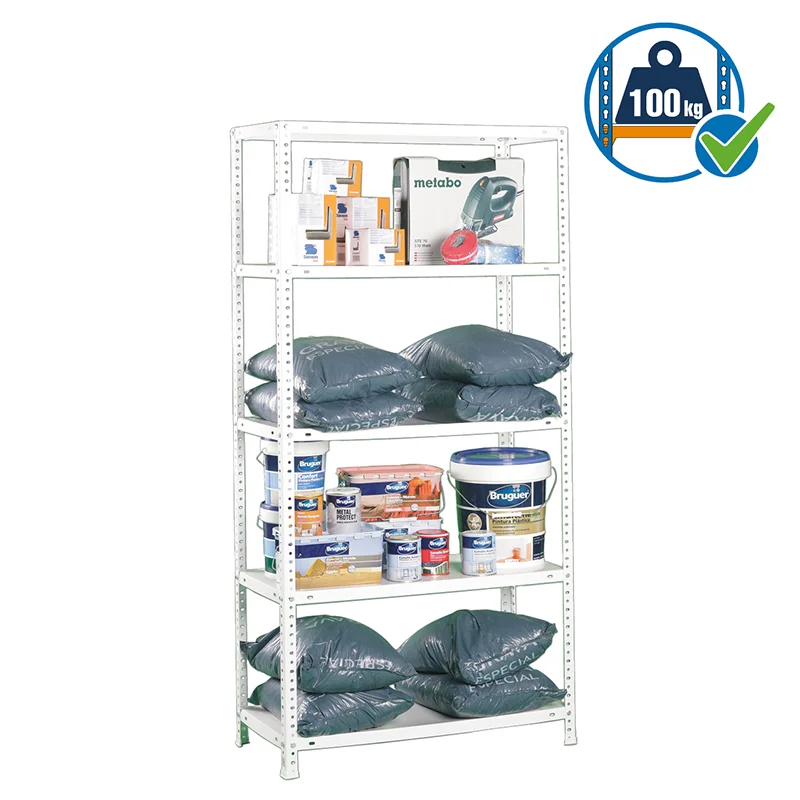
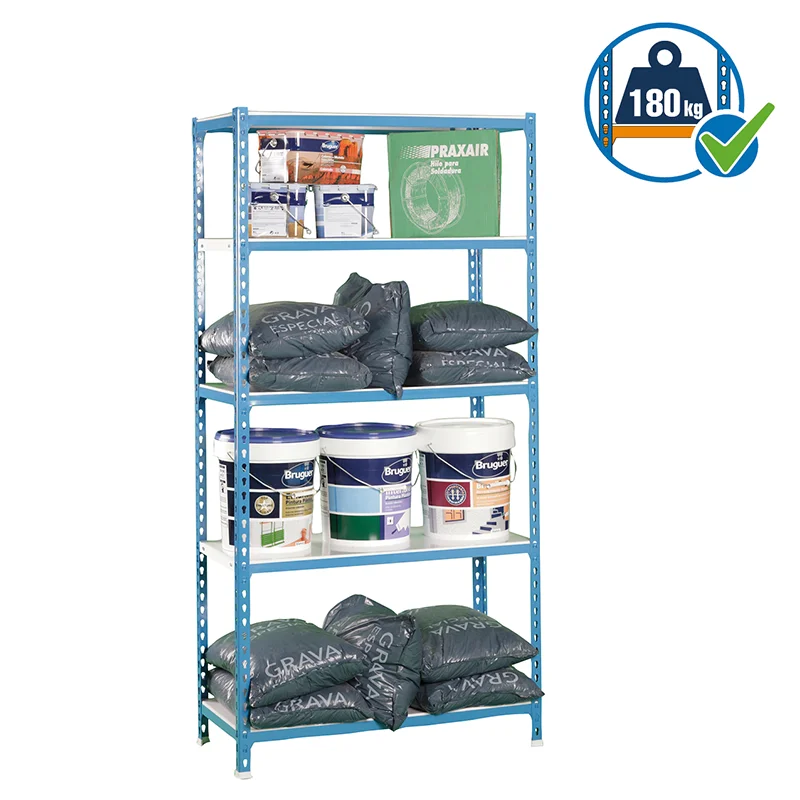
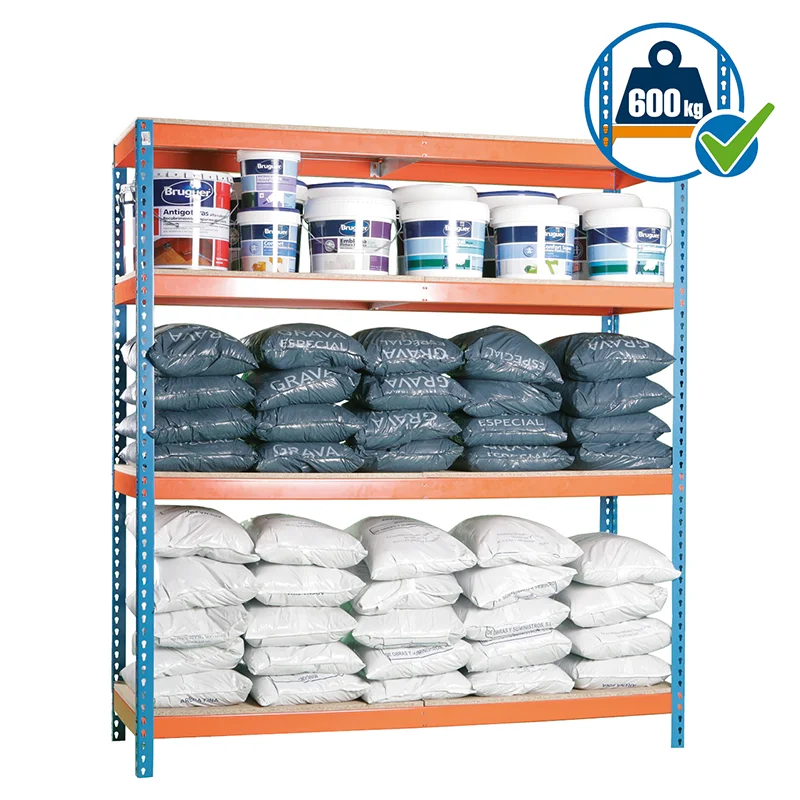
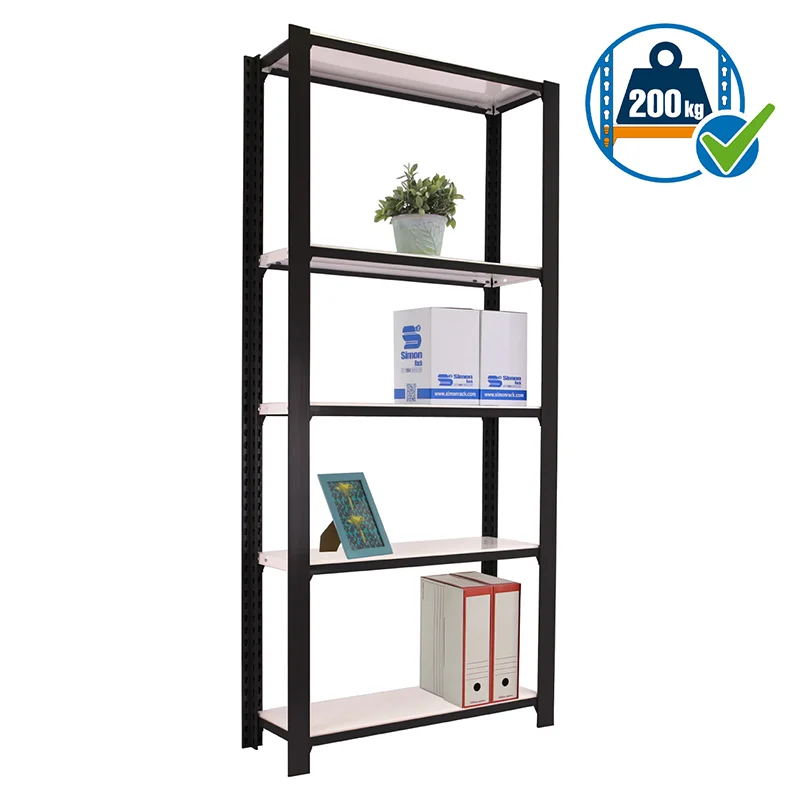
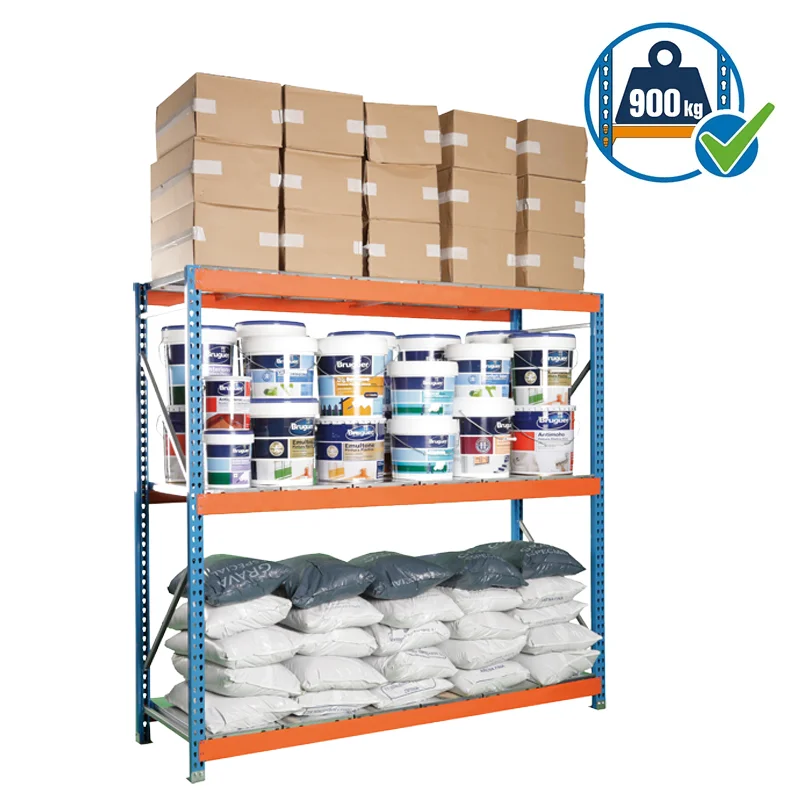
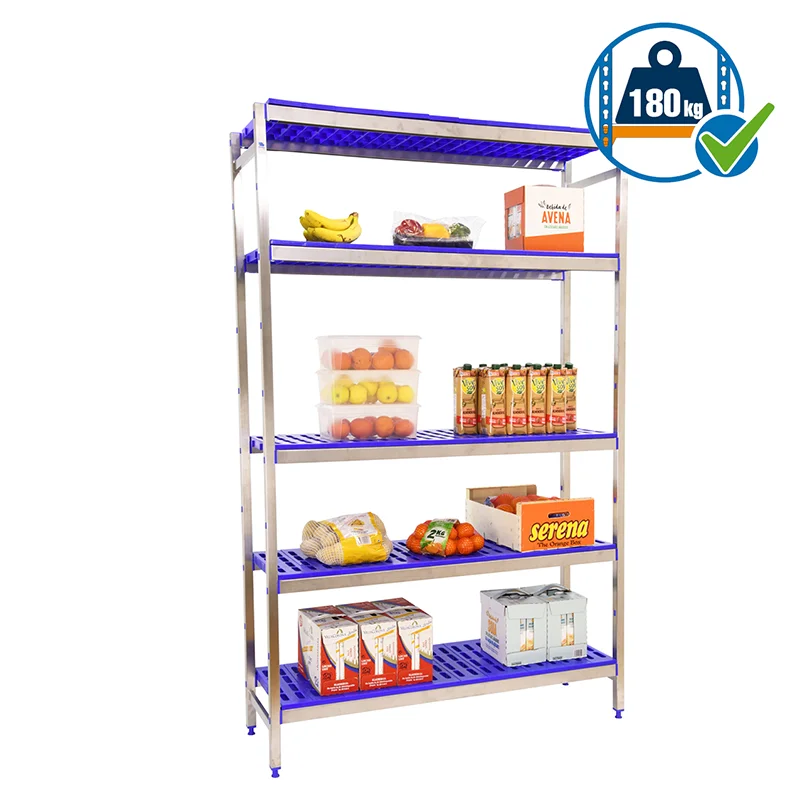
Select the series according to the use and weight you will store: from 100 kg to 900 kg per shelf.

2

Adjust the measurements to fit your space

Define height, width, and depth to make the most of every centimeter of the available space.

3

Add shelves and accessories

Decide how many shelves you need and combine modules to create shelving lines.

4

Check and request your shelving unit.

Check your configuration summary and complete the order.

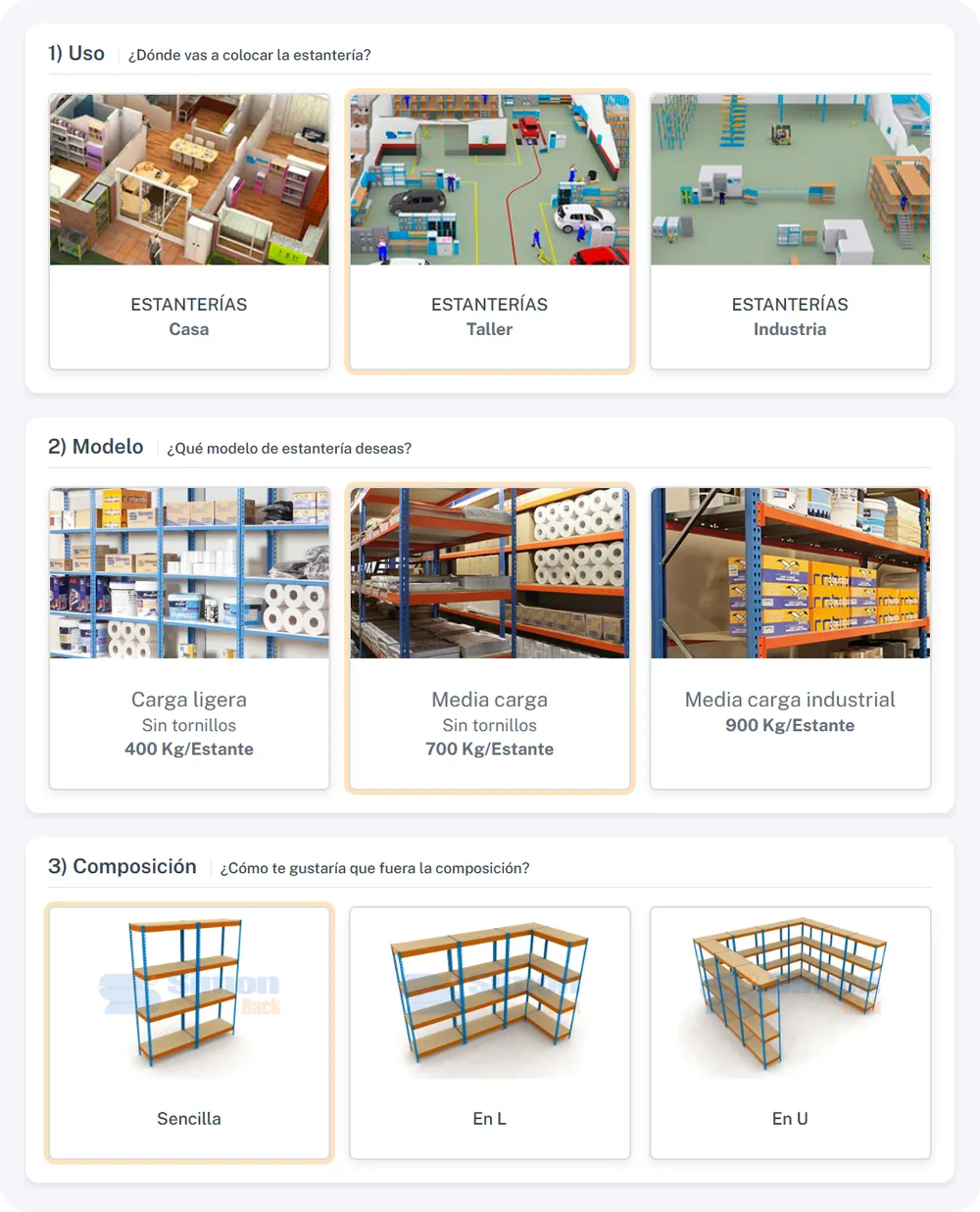
SimonRack shelving configurator: usage steps, model and composition

What you can customize on your custom shelving unit

Each shelf adapts to your space and your load. These are the options you can adjust in the configurator:

Height

To make use of anything from a storage room to a warehouse with high ceilings.

Width

Modules that you can join together to create continuous lines.

Depth

Depending on the size of boxes, filing cabinets, or merchandise.

Number of shelves

Choose how many shelves you need and at what height to place them.

Load capacity

From 100 kg to 900 kg per shelf, depending on the series you choose.

Color and accessories

Choose from finishes in different colors and stainless steel.

How to calculate the measurements of your bookshelf

Before opening the configurator, have these measurements handy. They'll save you time and ensure the shelving fits perfectly the first time.

1

Measure the available space

Measure the height, width, and depth of the space, and subtract baseboards, electrical outlets, pipes, or windows. Leave a few centimeters of clearance for installation.

2

Choose the background according to what you save

The ideal bottom is slightly larger than the deepest object: boxes, filing cabinets, tires, or palletized goods.

3

Calculate the spacing between shelves

Add a margin to the height of the tallest object to allow for comfortable handling.

4

Estimate the weight per shelf

The indicated load capacity is for evenly distributed weight. If you are going to store heavy or concentrated loads, choose a higher series.

5

Think about safety

On high shelves, anchor to the wall and place the heaviest items on the lower shelves.

High Width Depth Separation

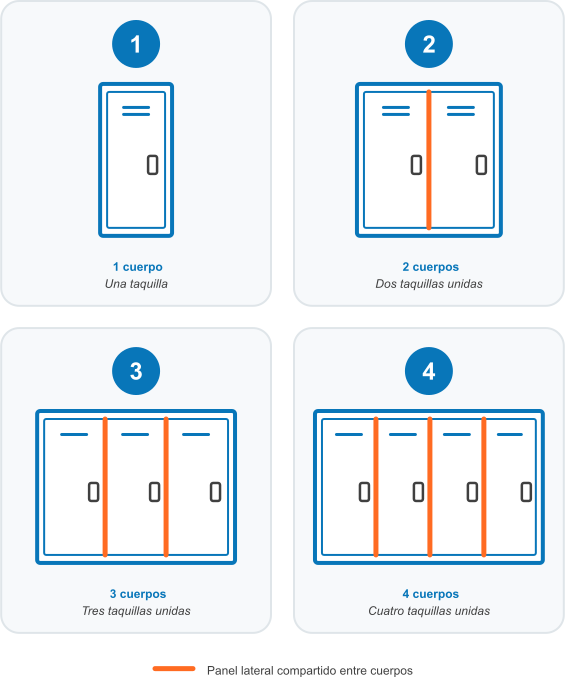
What does the number of bodies mean?

The number of sections indicates how many compartments your locker will have within a single block:

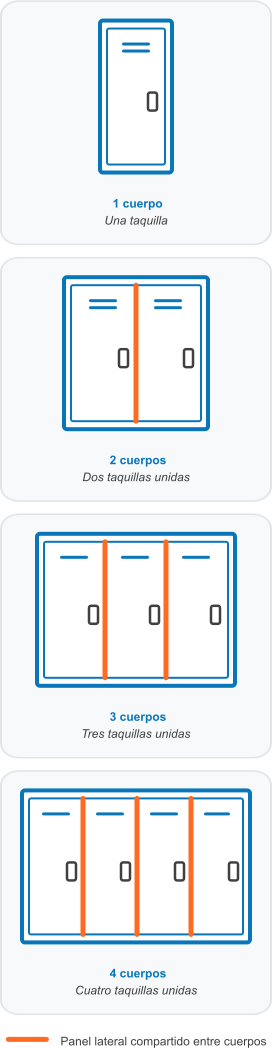
SimonLocker locker layout for 1, 2, 3 and 4 sections
By joining several units, adjacent lockers share the side panel. This creates a single, continuous structure that is more compact and stable than several independent lockers placed side by side.

Which finish to choose?

DIY

A functional and economical solution for homes, garages, storage rooms, and other spaces used occasionally. It offers good performance for everyday needs.

PROF

For more frequent and demanding use: businesses, changing rooms, and shared spaces. It features a more refined finish and greater resistance to wear and tear and continuous use.

AdviceChoose DIY if you're looking for a practical solution for occasional use. Choose PROF if the locker will be used frequently or by several people.