
Choosing the right storage shelving isn't just about aesthetics: it directly impacts safety, work comfort, and space utilization. There are various types available. types of storage shelving Designed for different loads, uses, and environments. In this article, we'll help you understand the main options and decide which one is best suited to your space and the weight you need to support.
Key factors to consider before choosing a storage shelf
Before looking at the most common types, it is important to clarify a few points:
- Type of load: light, medium or heavy.
- Product dimensions: small boxes, bulky packages, tools, files, etc.
- Available space: height, width and depth of the area.
- Usage environment: home, storage room, warehouse, workshop, business, industry.
- Frequency of use: daily access, high product turnover, occasional storage.
With this information you can better adjust your choice of shelving system.
Most common types of storage shelving
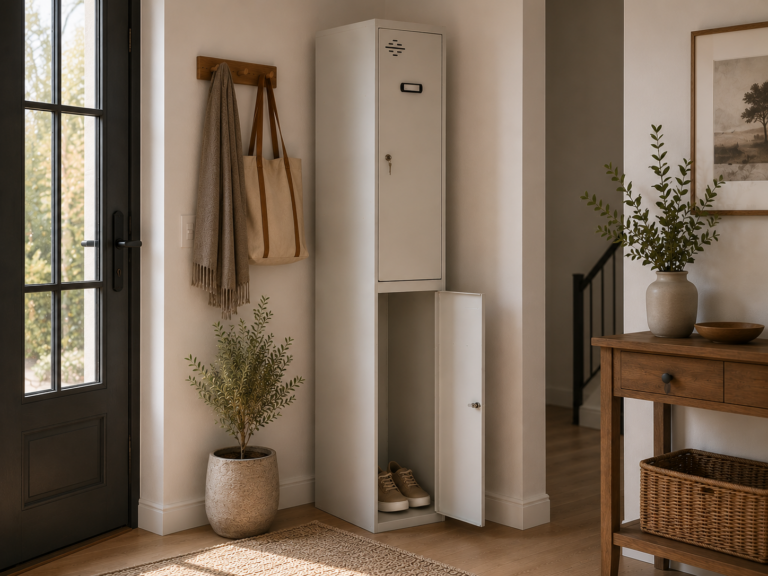
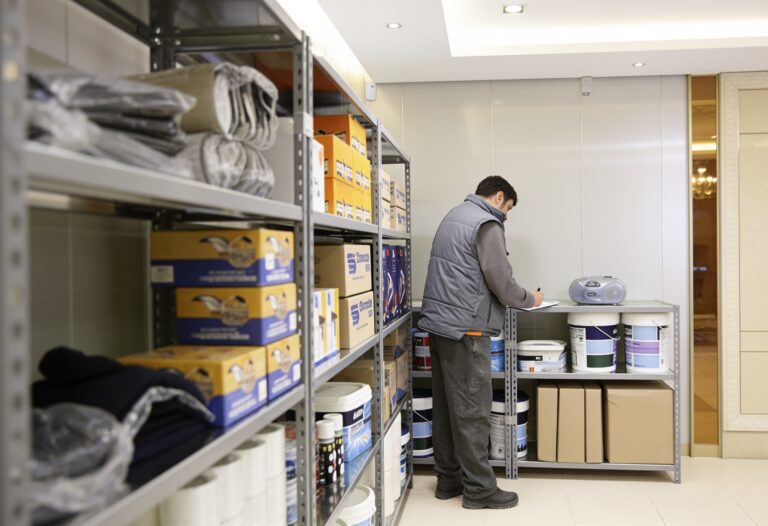
1. Lightweight metal shelving
Designed for light loads and domestic or small business uses.
- Ideal for: storage rooms, pantries, small businesses, offices.
- Advantages:
- Easy assembly, often without screws.
- Good strength/price ratio for not very heavy items.
- Flexibility to rearrange shelves.
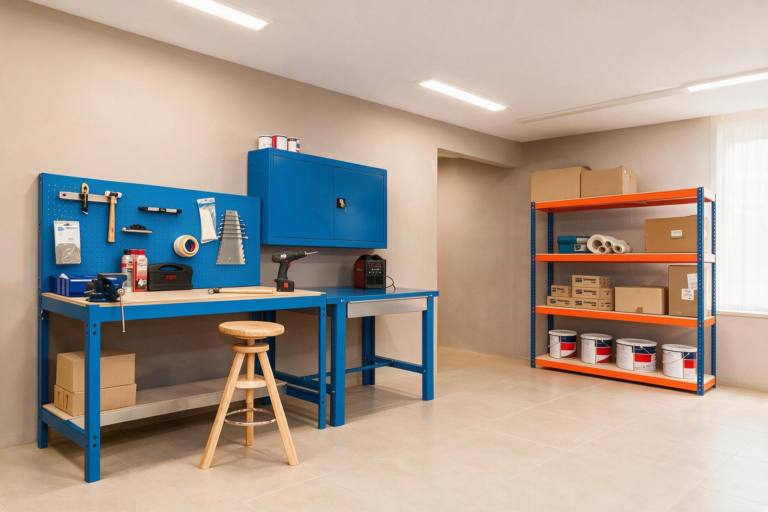
2. Medium load shelving
Designed for intermediate loads, such as filing boxes, tools, spare parts or general warehouse products.
- Ideal for: workshops, small and medium-sized warehouses, shops.
- Advantages:
- Greater load capacity per level.
- Robust structures, usually metallic.
- They allow you to combine different backgrounds and heights.
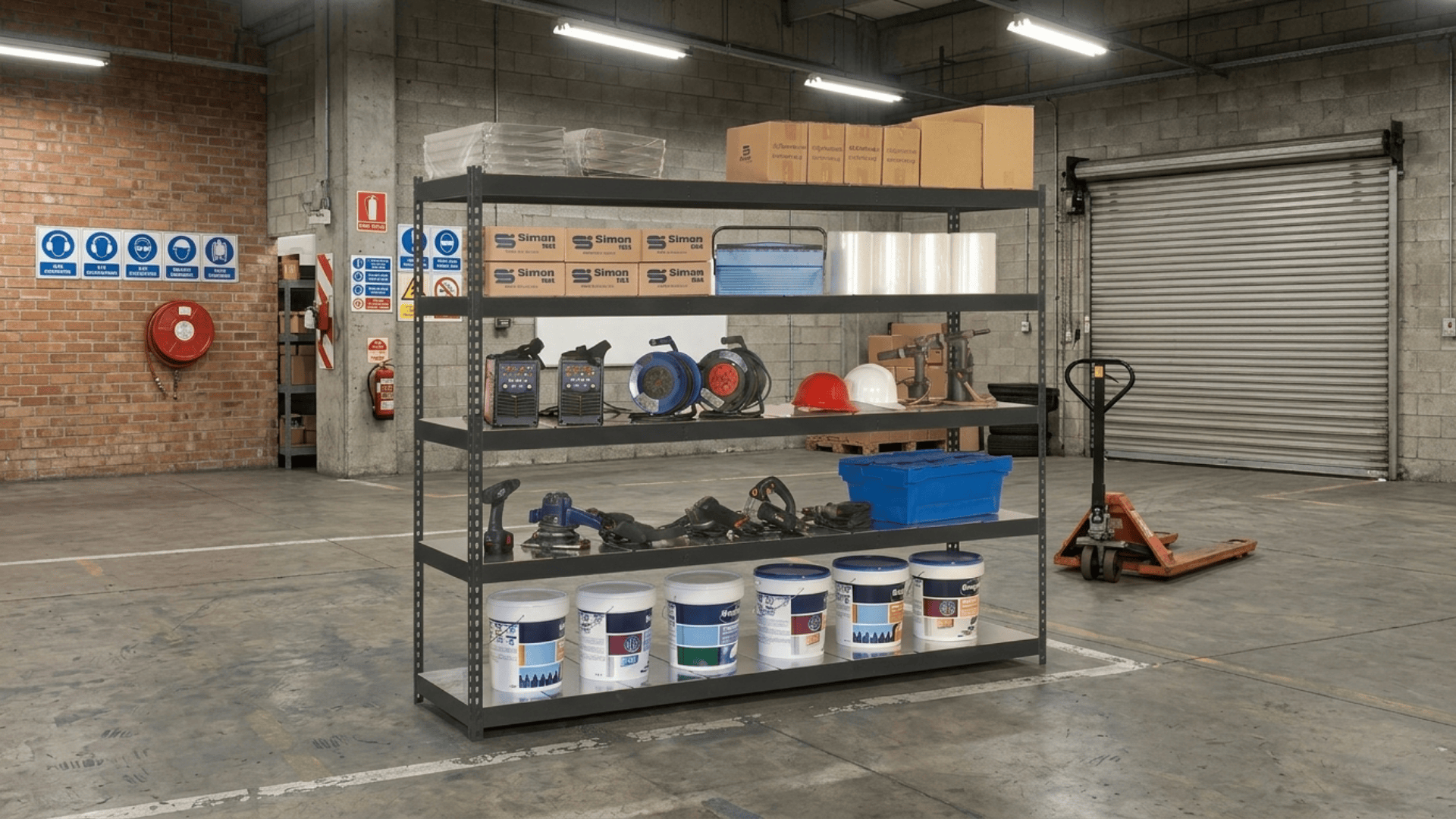
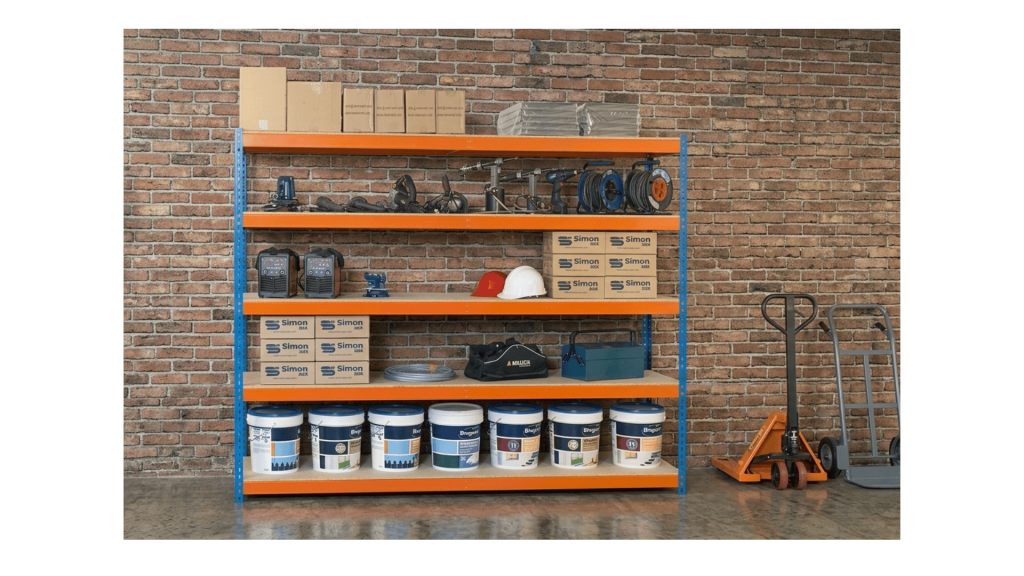
3. Heavy-duty or industrial shelving
Designed for heavy loads and intensive use.
- Ideal for: industrial buildings, logistics, large warehouses.
- Advantages:
- High load capacity per shelf and per module.
- Structures designed to offer safety and stability.
- Possibility of configurations adapted to the type of pallet or package.
4. Modular and expandable shelving
Systems that allow add modules and shelves as space or storage needs grow.
- Ideal for: growing businesses, changing warehouses, multipurpose spaces.
- Advantages:
- Scalability: they can be easily expanded.
- They allow you to reorganize the space without changing the entire system.
5. Shelving units with wooden or melamine trays
They combine a metal structure with shelves made of wood, chipboard or melamine.
- Ideal for: offices, shops, workshops and spaces where a warmer finish is desired.
- Advantages:
- Continuous support surface.
- Better aesthetic appeal in certain environments.
How to choose according to the type of load
For light loads
- Small boxes, lightweight products, office supplies.
- A lightweight metal shelving that is usually enough.
- Pay attention to the maximum load per shelf and the even distribution of weight.
For medium loads
- Tools, spare parts, boxed documents, small equipment.
- Choose medium load shelving, with reinforced shelves.
- Make sure the system allows you to adjust the height according to the size of the objects.
For heavy loads
- Bulky packages, very heavy boxes, industrial material.
- You will need heavy-duty shelving or specific industrial systems.
- It is essential to always respect the manufacturer's instructions regarding maximum load.
How to choose according to your available space
Height
- Take advantage of the room height provided it is safe.
- In high spaces, consider shelving that allows for multiple levels without compromising stability.
Depth and width
- Adjust the bottom of the shelf to the size of the products: neither too small nor too large.
- Avoid protruding objects that obstruct passage or the opening of doors.
Circulation and access
- Leave enough aisles to move around comfortably.
- In warehouses, consider using trolleys or pallet jacks.
Safety and maintenance tips
- Always respect the maximum load per level and per module.
- Distribute the weight evenly on each shelf.
- Secure the shelves to the wall or floor when necessary.
- Periodically check screws, joints and possible deformations.
Choosing the right system from among the different types of storage shelving It's key to making the most of the space, working comfortably, and ensuring safety. Analyzing the type of load, the environment, and the available dimensions will help you make the right decision.





 Español
  Deutsch
  Français
  Italiano
  English (UK)