
When humidity is present, choosing the right material is crucial: it's a decision that directly impacts durability, maintenance, and the overall cost of the installation. For shelving, metal structures, technical furniture, or storage solutions, simply comparing prices in the short term isn't enough. It's also essential to consider how each finish will perform over time.
In this context, understanding the difference between galvanized steel and stainless steel This is especially important, although painted steel can also be a valid alternative under certain conditions. Each option offers advantages and limitations depending on the humidity level, water exposure, the presence of condensation, or even whether it's for indoor or outdoor use. Choosing without considering these variables can lead to premature corrosion, a less attractive product appearance, and more maintenance interventions than anticipated.
Why does humidity have such a big influence on the choice of steel?
Humidity accelerates oxidation and deterioration processes when the material is not designed to withstand it. Installing a metal solution in an office or dry warehouse is not the same as installing it in a garage, a coastal area, a cold storage room, or an industrial environment with frequent condensation.
Furthermore, it is important to distinguish between several scenarios:
- Moderate ambient humidity, typical of well-ventilated interiors.
- High humidity or recurring condensation, common in poorly ventilated areas or areas with temperature changes.
- Direct exposure to water, such as washing, splashing, or outdoor environments.
- Aggressive environments, For example, near the sea or in areas with chemical agents.
The more demanding the environment, the greater the material's corrosion protection must be. Therefore, there is no one-size-fits-all solution: the best option depends on the actual conditions of use.
Galvanized steel: a balance between protection and cost
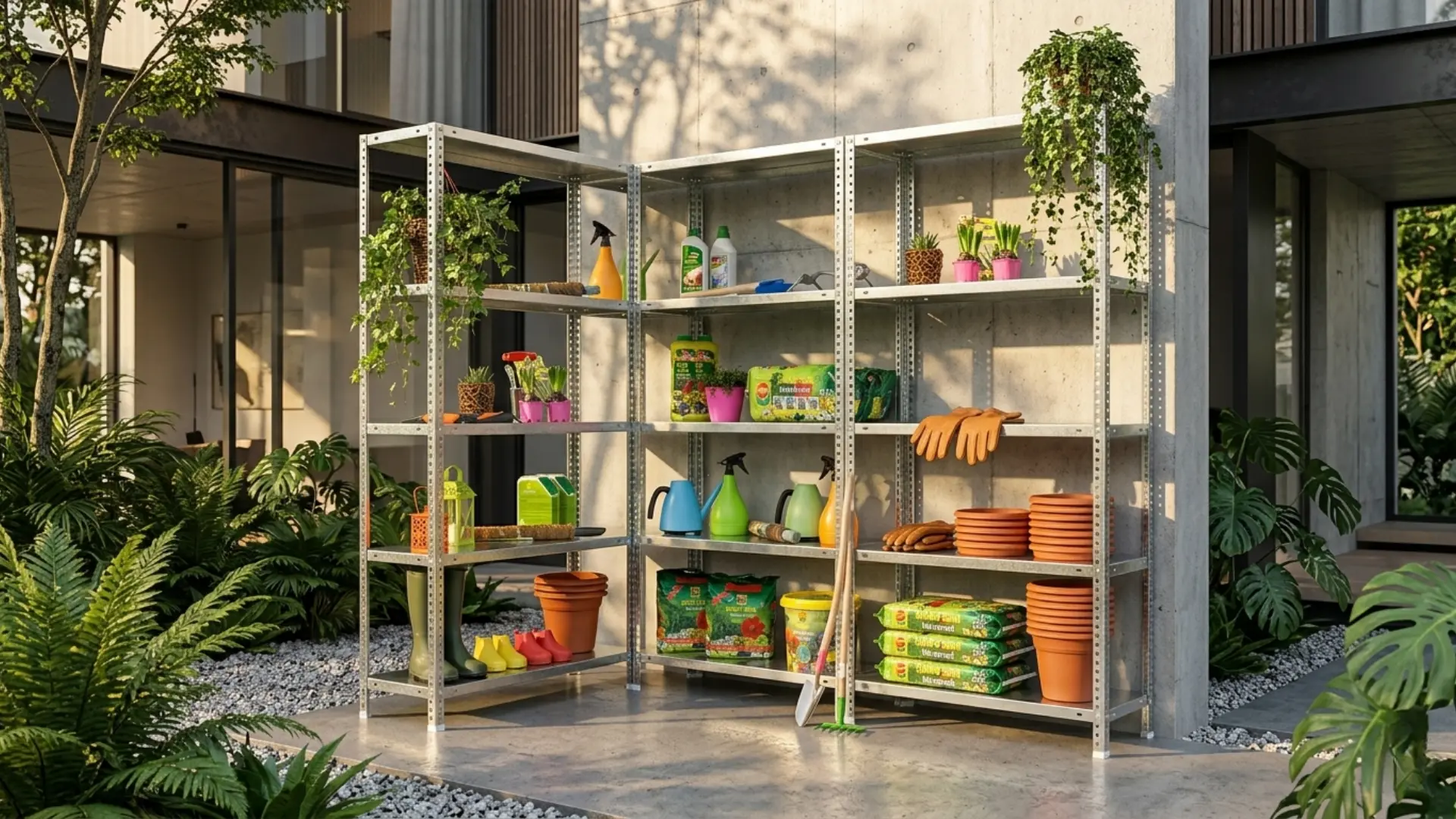
Galvanized steel is one of the most popular solutions when seeking reasonable corrosion protection without breaking the bank. Its main advantage is the zinc coating, which acts as a protective barrier against moisture and helps delay rust formation.
When it works well
Galvanizing usually offers good results in:
- Interiors with occasional humidity.
- Warehouses, storage rooms or garages with moderate exposure.
- Installations where mechanical strength and proper corrosion protection are required.
- Projects that seek a lasting solution with a balanced investment.
Its limitations
While galvanizing is a solid option, it's unwise to assume it's a cure-all. In extremely humid environments, with continuous contact with water, or with high salinity, its protection may fall short in the long run. If the coating is damaged or wears down with use, the protection decreases and the risk of corrosion increases.
In other words, galvanizing is usually a very good solution for medium-duty environments, but it is not always the best choice for extreme conditions.
Painted steel: aesthetics and versatility in controlled environments
Painted steel can be an attractive alternative when, in addition to functionality, visual appeal is highly valued. Paint provides aesthetic customization and a protective surface layer, but its performance depends largely on the quality of the treatment and subsequent maintenance.
In what cases might it be suitable?
Painted steel is generally recommended especially for:
- Offices, shops or dry interiors.
- Spaces where image and aesthetic integration are important.
- Metallic solutions with low exposure to condensation or water.
- Projects where more closely monitored maintenance can be assumed.
What risks are there with humidity?
Painted steel is generally more susceptible to moisture than other materials if the finish is damaged by impacts, scratches, or wear. When the surface layer breaks, the metal is more exposed, and deterioration can progress rapidly if not repaired promptly.
Therefore, if the environment is regularly humid, painted steel is not usually the safest option based on durability. It can work, yes, but typically only under moderate conditions and with careful monitoring of the finish.
Stainless steel: maximum resistance for demanding environments
When it comes to high humidity exposure, stainless steel is usually the most robust option. Its composition allows it to resist corrosion much better, making it particularly attractive for installations where durability and reliability are more important than initial cost.
When is it worth it
Stainless steel excels in situations like these:
- Areas with consistently high humidity.
- Environments with frequent condensation.
- Outdoor or semi-outdoor spaces that are especially exposed.
- Coastal or demanding environments.
- Facilities where a replacement or shutdown due to corrosion would generate significant costs.
The main drawback
Its main drawback is usually the initial investment. Compared to other options, stainless steel is more expensive. However, in many projects, this higher cost is offset by less maintenance, a longer lifespan, and a lower risk of premature deterioration.
Therefore, when analyzing the difference between galvanized steel and stainless steel, The key lies not only in the purchase price, but in the total cost of use in the medium and long term.
Difference between galvanized steel and stainless steel: the key comparison
Although both materials are designed to improve corrosion resistance, they do not do so in the same way.
- Galvanized steelIt provides protection thanks to an outer layer of zinc. It is an efficient and competitive solution for many environments.
- Stainless steelIts resistance to corrosion is part of the very nature of the material, so it usually offers superior performance in very humid or aggressive environments.
If the environment is moderate, galvanizing may be sufficient and more cost-effective. If the humidity is intense, persistent, or particularly harsh, stainless steel usually offers greater safety and durability. Painted steel, on the other hand, is more suitable for situations where aesthetics are a major consideration and exposure to humidity is controlled.
How to choose the right material for your area
To make the right choice, it's best to review these factors before deciding:
1. Actual humidity level
Don't just focus on whether the space is indoors or outdoors. Analyze whether there is condensation, sudden temperature changes, or poor ventilation.
2. Direct contact with water
There's a difference between ambient humidity and being splashed, frequently cleaned, or being continuously exposed to water.
3. Requirement of use
If the structure is going to withstand intensive use, impacts or frequent handling, it is advisable to prioritize materials and finishes with greater overall resistance.
4. Budget and maintenance
Sometimes a cheaper option initially means more maintenance and a shorter lifespan. It's important to consider the total cost, not just the starting price.
5. Specific environment
An indoor warehouse in a dry area is not the same as a facility near the sea. The context completely changes the recommendation.
Common mistakes when choosing the material
These are some common mistakes to avoid:
- Choosing based solely on price without considering actual exposure to humidity.
- Assuming that any metallic finish is suitable for any environment.
- Not considering future maintenance.
- Prioritizing only aesthetics when the environment is technically demanding.
- Do not anticipate wear and tear from use, cleaning or impacts.
Understanding the difference between galvanized steel and stainless steel This helps in making a safer and more cost-effective decision, especially when humidity could compromise the material's durability. Galvanized steel typically offers a good balance between protection and cost in moderately demanding environments; painted steel can be useful in more controlled, indoor spaces where aesthetics are important; and stainless steel stands out as the most reliable solution for humid or harsh conditions.
The best choice depends not only on the material itself, but also on its intended use, the environment, and the level of maintenance you're willing to accept. Carefully analyzing these variables from the outset helps prevent premature corrosion, unnecessary replacements, and hidden costs.





 Español
  Deutsch
  Français
  Italiano
  English (UK)