
When discussing load capacity in shelving, many people only think about the maximum weight per shelf. However, there's another equally important technical factor: how the structure responds when the load isn't perfectly distributed. This is where torsional strength and the quality of the profiles come into play. Understanding the behavior of the metal shelving profiles It helps to assess why some structures maintain their stability even with off-center loads and others do not.
In demanding logistical, industrial, or even domestic applications, reality rarely offers ideal weight distribution. Therefore, the design of the profile and the structural assembly makes a huge difference in safety and durability.
What does torsional strength mean?
Torsion occurs when a structural element is subjected to a force that tends to twist it around its axis. In a shelving unit, this can happen when the weight is not perfectly centered or when the assembly is subjected to asymmetrical loads.
The metal shelving profiles Well-designed ones offer greater torsional rigidity, which helps maintain the geometry and stability of the assembly.
Why are eccentric loads so relevant?
In theory, everything would be perfectly balanced. In practice, no. Poorly placed boxes, irregular pallets, partial loads, or everyday movements cause the structure to withstand stresses off-axis.
When the profile is not prepared, deformations, loss of rigidity, or premature aging of the system may occur.
What influences the good behavior of the profile?
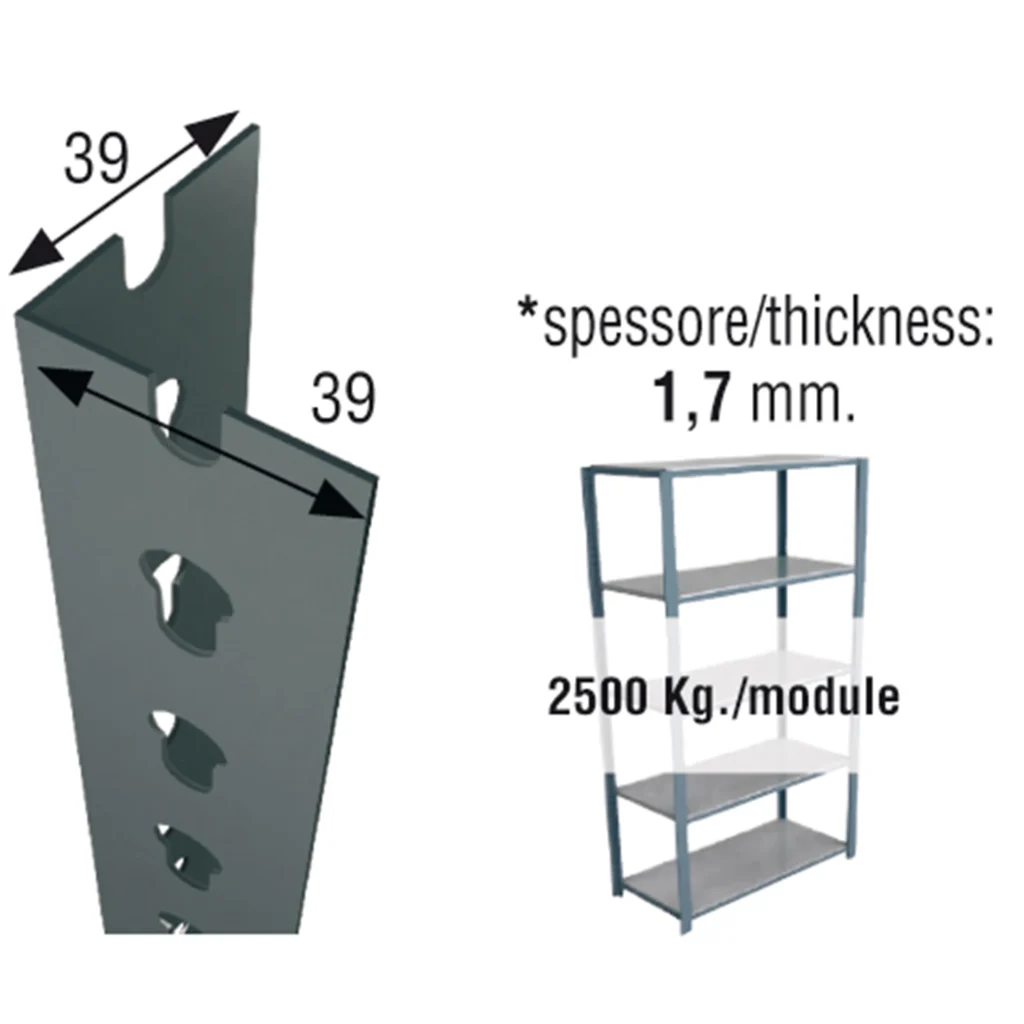
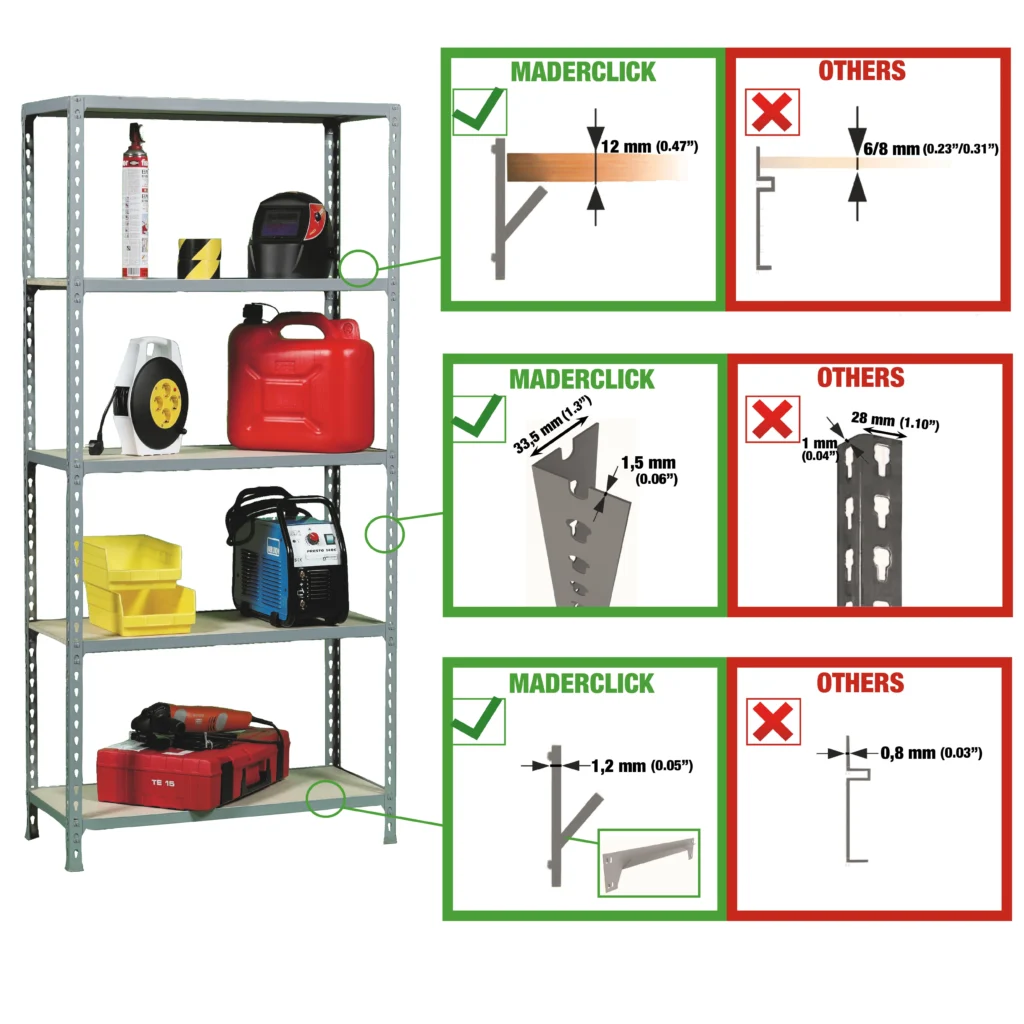
Section geometry
The shape of the profile plays a decisive role. Certain geometries distribute stress better and offer greater resistance to bending and torsion.
Steel quality and manufacturing process
It's not just the shape that matters, but also the material and how it's worked. Precision, thickness, and industrial consistency all influence the final result.
Structural assembly design
The metal shelving profiles They don't work alone. Braces, joints, crossbeams, and overall configuration also influence the response to off-center loading.
What advantages does good torsional strength offer?
- Greater overall stability.
- Lower risk of permanent deformation.
- Better performance in real-world use, not just theoretical.
- Greater durability over time.
- A feeling of greater robustness and security.
How can you tell if a bookshelf is well designed?
Although the complete technical analysis is the responsibility of the manufacturer or engineer, the customer can consider several aspects:
- Apparent quality and profile precision.
- Strong joints and fittings.
- Clear information on capacity and intended use.
- Consistency between design and actual application.
The mistake of only looking at the maximum weight
A single load figure doesn't tell the whole story. Two structures can advertise similar weights and behave very differently when actual use introduces torsion, movement, or imbalances.
That's why it's important to consider the overall design and not just the commercial headline.
The metal shelving profiles Quality components make all the difference when the load isn't perfectly centered, which is precisely what often happens in real-world use. Torsional rigidity is not a minor technical detail: it's one of the factors that explains why a shelving unit maintains stability, precision, and durability over time.
Choosing a well-designed solution means thinking beyond the maximum load capacity and assessing how the structure will respond under real-world working conditions. That's where profile engineering demonstrates its true value.

 Español
  Deutsch
  Français
  Italiano
  English (UK)